The Isle of Blood

The Monstrumologist series, by IRS agent turned YA novelist Rick Yancey, is elegant, cerebral, allusive, and brimming with gore. These are the kind of novels in which "sinew and muscle glimmer wetly in the silver light," "frozen viscera shine like wet marble," and eyes "swim in a noisome yellow soup." That's a dim approximation of the full crime scene tableau, which is downright theatrical, imagining new and shocking ways to maim corpses, summon monsters, and describe grisly deaths and wrenching odors.

One either does or does not possess the stomach for this kind of thing, and certain squeamish readers -- i.e., myself -- may actually find themselves holding the book at arm's length, casting a leery eye at the page, ready for the next flinch. But even they (I) must admit that Yancey is an epicure of horror. The novels are set in the Victorian era, when, Yancey reminds us, even the best streets of New York City were often encased in the filth of horse manure, freshly emptied chamber pots, and carcasses of fallen animals.

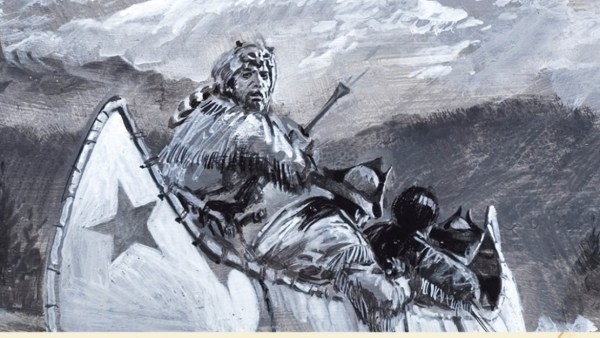
The series is narrated by Will James Henry, a young orphan apprenticed to Pellinore Warthrop, a failed poet turned monstrumologist -- a natural scientist of monstrous beings -- after his own father perished while in Warthrop's employ. The debut novel of the series, The Monstrumologist, began with a corpse infected with a killer fetus from a monster of African origin and ratcheted up from there. The Curse of the Wendigo, the second novel in the series, features a creature out of Native American lore that resembles a vampire or a werewolf, in that humans "are its food as well as its progeny." Or, the doctor allows, perhaps the creature is merely "a metaphor for famine and the taboo of cannibalism in times of starvation." Corpses are flayed and frequently defaced, their stripped features rearranged in monstrous displays. Guest stars include Thomas Edison and Jacob Riis.

Book Three, The Isle of Blood, just released, spends a good portion of its time in Victorian drawing rooms, providing a greater plot-to-viscera ratio, though the viscera, when they do appear, are as shocking as ever (a toxic nest composed entirely of human remains; an island where blood and viscera rain from the sky). Will is displaced by a rival apprentice, Thomas Arkwright (of the "Long Island Arkwrights") a young man with "the 'lean and hungry look' of the privileged classes." While Warthrop and Arkwright presumably trek through the muck on the isle of blood, Will winters in a townhouse on the Upper West Side; Father is "in finance"; Mother is a suffragette; their daughter, Lilly, an aspiring monstrumologist, is the woman who, we know from the introductory "translator's note," will one day be Will's wife. Bathed, freshly shod, and newly fluent in parlor games and other features of a "proper childhood," Will briefly considers whether his youth is best spent amid constant stench and deadly skirmishes.

Yet his life is inextricably linked with Warthrop's, "as if he's taken a rope and tied us together with it," and soon Will is hopping multiple continents in pursuit of his master. Literary cameos are particularly rich: Arthur Conan Doyle parachutes in long enough to assist with the case (allowing a delicious moment when Warthrop himself delivers the line, "It's elementary, Doyle"); Rimbaud, Warthrop's fellow retired poet, appears somewhere near Yemen, with his sea-blue eyes and excessive love of absinthe. This installment is an especially good example of the wit, social criticism, and character development that has elevated this to a prizewinning series; though, like Will, we know something unspeakable always lurks just behind the first shadow in the drawing room.

May 23: Girolamo Savonarola was hanged on this day in 1498 and then incinerated in the same piazza in which the citizens of Florence had earlier attended more than one "bonfire of the vanities." George Eliot's 1863 novel Romola,

Do you recall the tagline from the very first Superman movie? "You'll believe a man can fly!" Well, I'm tempted to craft such a hyperbolic assertion for China Miéville's…

advertisement
Books CDs, DVDs to know about now
The Legend of Pradeep Mathew

When a hard-drinking Sri Lankan sportswriter faces liver failure, he decides it's finally time to track down once-great  cricket star Pradeep Mathew. Shehan Karunatilaka's big-hearted, madcap novel reverberates with echoes of A Fan's Notes and Netherland. A Discover Great New Writers selection.

I Must Not Think Bad Thoughts

His subjects range from the suicide note as literary genre to the theme-parking of the Holocaust. But though Mark Dery's "drive-by essays" are sure to court controversy, the writer's commitment to entering intellectual no-fly zones make this collection a daring, bravura work of cultural criticism.

Old Ideas

With dates announced for his upcoming Old Ideas concert tour, we celebrate the inimitable Leonard Cohen: bard, survivor, legend. His most recent album is a return to form for the balladeer, exploring signature themes of lust and longing, spirituality and struggle, all overlaid with a droll sense of humor as familiar as Cohen's prophetic voice.